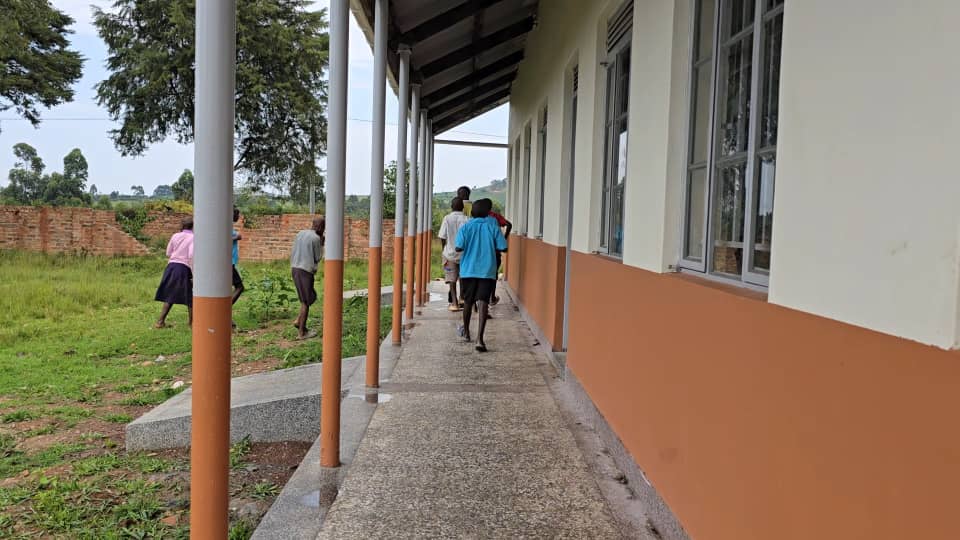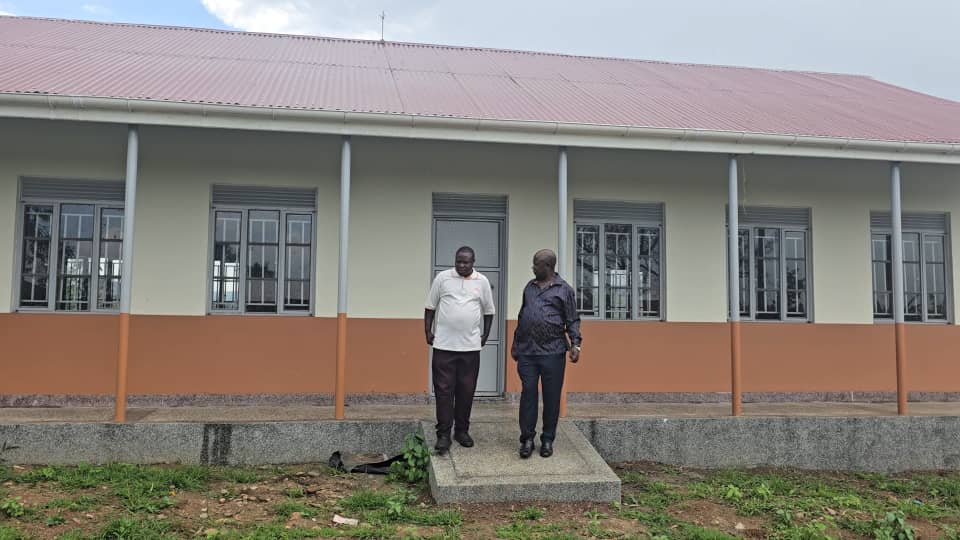
Ntungamo District has constructed 35 new classroom blocks with tiled and terrazzo floors in government schools, alongside 50 five-stance VIP pit latrines across its constituencies.
The district has also boosted education with four completed seed secondary schools, marking a significant expansion of education infrastructure aimed at improving learning conditions and sanitation standards.
District leaders say the investments reflect a deliberate shift toward strengthening both access to and quality of education, with sanitation emerging as a central pillar of the strategy.
Speaking about the developments, Ntungamo LC5 Chairperson Samuel Muchunguzi said every constituency has directly benefited from the classroom construction programme.
“We have managed to have some classroom blocks in every constituency. We have constructed around 35 classroom blocks. All of them we are not using cement — we use tiles and terrazzo. Don’t ask me where I got the money. I know where the money is,” Muchunguzi said.
He emphasized that the district has combined internal resource mobilisation with strategic lobbying to secure additional support.
“Sometimes we lobby and get other classrooms. We have also managed to construct fifty toilets, five-stance VIP pit latrines — for primary schools. Each constituency has more than eight,” he added.
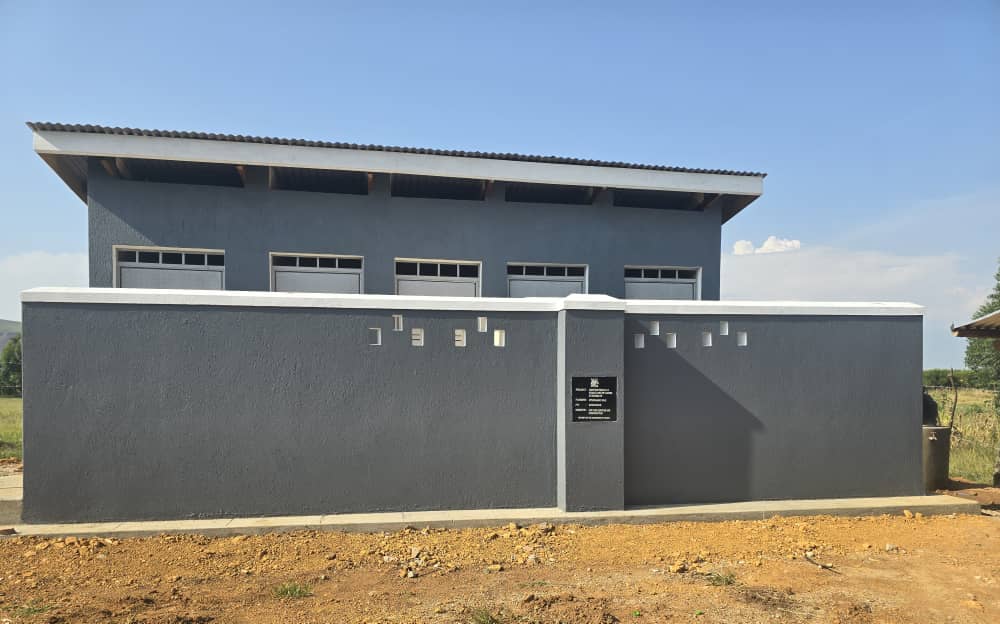
The sanitation drive comes amid growing recognition that inadequate hygiene facilities continue to undermine attendance, particularly among girls.
Nationally, the Ministry of Education and Sports and the Ministry of Health have consistently highlighted safe sanitation as critical to learner retention, disease prevention and improved academic performance.
Ntungamo Chief Administrative Officer Fildeus Kizza said the district responded to mounting requests from schools that lacked adequate pit latrines.
“We had targeted to construct very many pit latrines in our schools because sanitation is very critical. This year we had a very big request for pit latrines in a number of schools. The construction is ongoing and some are in final stages of completion,” Kizza explained.
Education stakeholders argue that while seed schools expand access to secondary education, sustained investment in classroom space and sanitation at primary level is equally vital in strengthening the education pipeline and ensuring learners transition successfully through the system.